Ghibli's Themes

Porco Rosso
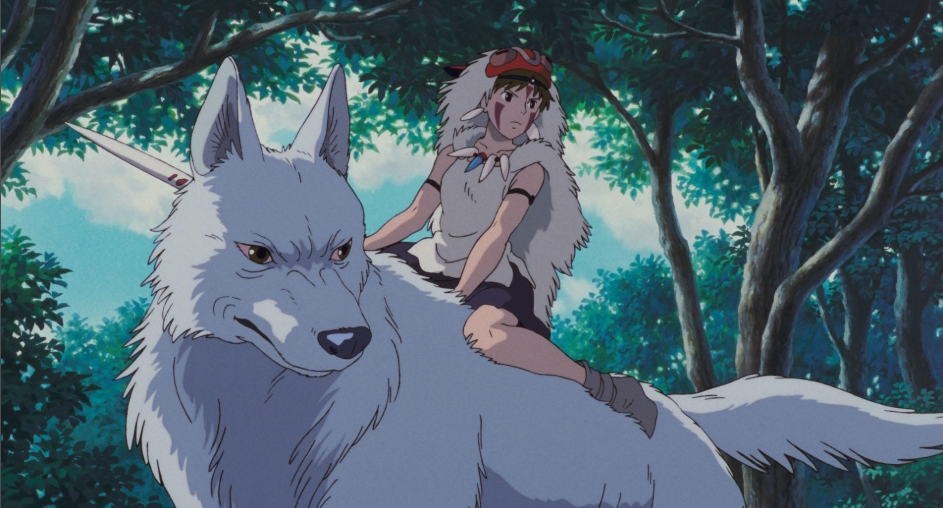
Princess Mononoke
Anti-War Themes: War as Tragedy, Not Glory
Studio Ghibli films almost never romanticize war. Even when battles, weapons, or soldiers appear, war is portrayed as destructive, dehumanizing, and morally corrosive rather than exciting or noble.
Anti-War Films
- Grave of the Fireflies
- Howl's Moving Castle
- Nausicaä of the Valley of the Wind
- The Wind Rises
Nature as Living, Sacred, and Powerful
Environmentalism is one of Studio Ghibli's most consistent and recognizable themes. Nature is not just scenery, it is alive, reactive, and morally significant. Rather than portraying nature as fragile and helpless, Ghibli often shows it as ancient, resilient, and capable of retaliation when abused.Key Environmental Films
- Princess Mononoke
- Nausicaä of the Valley of the Wind
- My Neighbor Totoro
- Ponyo
Female-Centered Heroism: Women as Fighters, Leaders, and Saviors
One of Studio Ghibl's most radical (and quietly consistent) traits is that women are almost always at the narrative center not as love interests or sidekicks, but as decision-makers, warriors, and moral anchors. Importantly, Ghibli's female heroes are not written as “female versions of male heroes.” They fight differently. Defining Traits of Ghibli Heroines- Emotionally intelligent rather than emotionally suppressed
- Capable of violence, but not glorifying it
- Strong without being invulnerable
- Compassionate without being passive